The Seafront Summer Uniform: Cutoff Denim, Bralette Tops and the Brands That Own Each Piece
Walk any Mediterranean seafront between June and September and you will see the same three-item outfit repeating on a loop: cutoff denim shorts, a swim top worn as a top, and a rubber thong sandal. It is one of the most stable outfit formulas in consumer retail, it costs almost nothing to assemble, and each of the three slots is contested by a completely different set of brands.
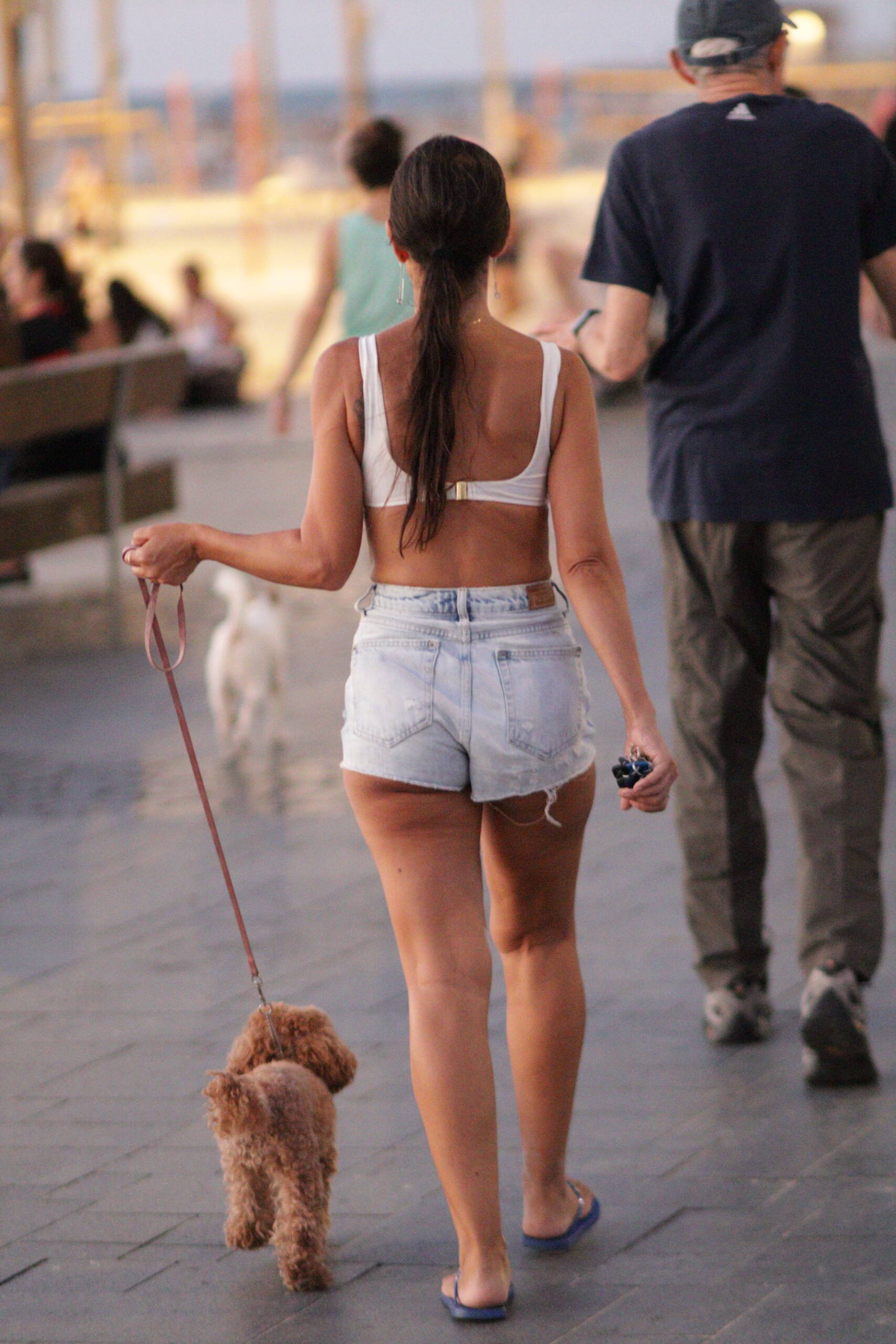
The denim slot is the one with the clearest hierarchy. Levi’s still owns the archetype through the 501, and the light-wash, frayed-hem cutoff is essentially a 501 that somebody took scissors to. Above that sits the premium tier, where Agolde, Re/Done and Citizens of Humanity sell a factory-made version of the same distressing for five to eight times the price. Below it, Zara, H&M and the ultra-fast-fashion platforms produce the silhouette in volume within weeks of any shift in rise or inseam. The interesting part is that the premium tier is not selling a better product in any functional sense. It is selling the specific wash and fray pattern, which is why that tier lives and dies on trend timing.
The top slot is where the category boundaries have actually broken down. A swim top worn on a street, with no water involved, means swimwear brands are now competing for ready-to-wear occasions. Hunza G built most of its business on exactly this crossover, and Frankies Bikinis and Triangl price accordingly. Pushing from the other direction, Skims and Uniqlo have spent several seasons normalising the bralette as an outer layer. The result is a contested middle where a shopper’s budget can go to a swimwear label, an underwear label or a basics label for the same wardrobe function.
Footwear is the cheapest slot and the most brand-loyal. Havaianas and Ipanema have held the rubber thong category for decades on the strength of a product that costs very little and lasts a season. Every few years the trade press announces the death of the thin thong in favour of a chunkier sandal, and every few years the thong comes back, because the promenade use case rewards something you can wear wet and leave at the door.
Notice what is missing from the outfit. There is no bag. Keys go in the hand, phone in the back pocket, and that is the entire carry. Short-radius trips like this one are the reason the mini-bag and crossbody categories keep fragmenting: the brands are competing for an occasion where a large share of shoppers simply carry nothing at all.